
Quarry and mining projects are becoming more dynamic as extraction areas continue to expand and production plans change throughout the project lifecycle. In many operations, the crushing location that works at the beginning of a project may become less efficient as the working face moves farther away.
For this reason, more operators are considering mobile crushing plants as part of their production planning. By moving the crushing stage closer to the material source, these systems help reduce unnecessary material transportation and provide greater flexibility when site conditions change.
The increasing use of mobile crushing equipment reflects a practical shift in quarry and mining operations. Instead of designing every project around a permanent processing location, contractors are paying more attention to how crushing equipment can adapt to changing work areas, production schedules, and material handling requirements.

Changing Quarry and Mining Conditions Are Driving Mobile Crushing Adoption
For decades, fixed crushing plants have been the standard solution for large-scale aggregate and mining operations. Their advantage is clear: once installed, they can provide stable production for long-term projects with consistent material sources.
However, project conditions are becoming more dynamic.
Many modern quarry and mining developments face challenges such as:
- Expanding extraction areas
- Increasing distance between mining faces and processing stations
- Shorter project development schedules
- Multiple production locations within one site
- The need to reduce unnecessary material transportation
In open-pit mining and quarry operations, the location of the raw material source can change continuously. A crushing plant installed at the beginning of a project may become less efficient when the working face moves farther away.As a result, project owners are increasingly evaluating whether production equipment should remain fixed or move together with the operation.
The Shift from Fixed Crushing Layouts to Flexible Production Systems
The traditional crushing model is based on a permanent plant layout.
A typical fixed production arrangement includes:
Extraction Area → Material Transportation → Stationary Crushing Plant → Screening → Stockpile
This approach works well when:
- The deposit location is stable
- Production continues for many years
- Infrastructure investment can be justified
However, transportation becomes a larger operational factor as the distance between extraction and crushing increases.
Longer haul routes may lead to:
- Higher fuel consumption
- Increased truck operating hours
- More complex site traffic management
- Additional handling between production stages
Mobile crushing plants provide a different approach by allowing processing equipment to follow the development of the quarry or mining area.
The production flow can become:
Extraction Area → Mobile Crushing → Screening → Final Product Handling
This approach provides several practical benefits:
Reduced Material Transportation Requirements
When crushing takes place closer to the source, the amount of internal material movement can be reduced. This helps operators optimize truck usage and simplify site logistics.
Faster Adjustment During Project Development
Quarry and mining projects often change as extraction progresses. Mobile systems allow production layouts to be adjusted according to current site conditions without completely redesigning the processing arrangement.
Greater Flexibility for Different Project Stages
Mobile crushing plants can support different phases of operation, including initial production, quarry expansion, and temporary material supply requirements.
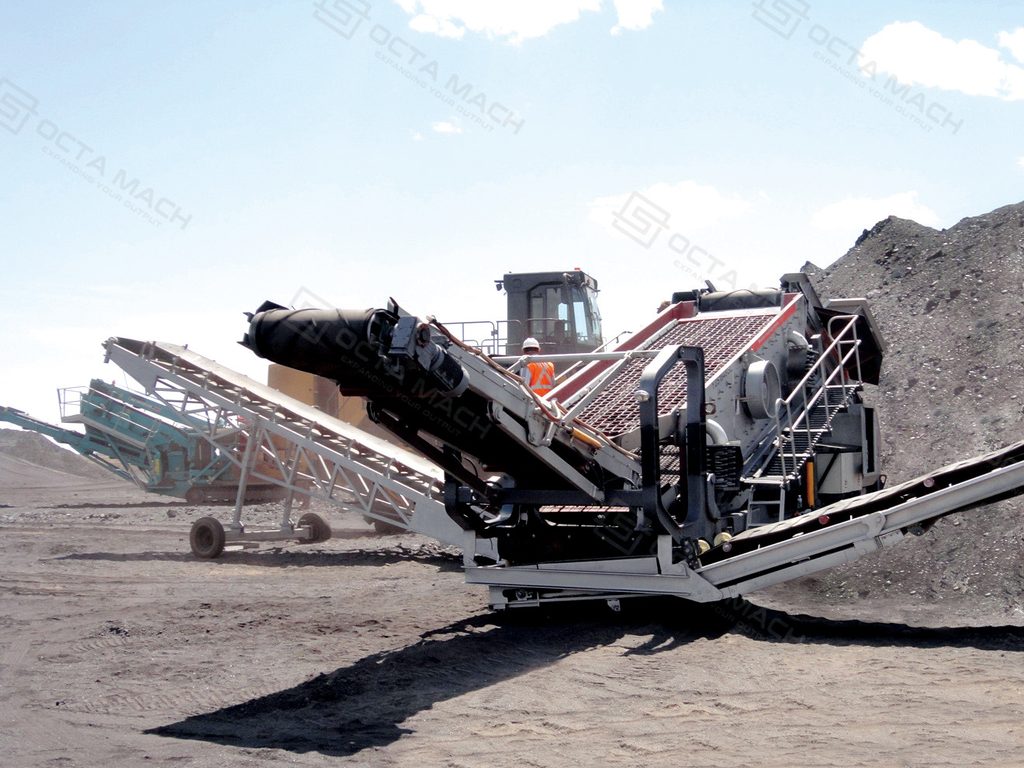
Mobile Crushing Plants Are Expanding Beyond Temporary Applications
Mobile crushing equipment was once mainly selected for short-term projects where production locations needed to change frequently. In those applications, the main advantage was the ability to establish crushing capacity without building a permanent processing facility.
However, the role of mobile crushing plants has changed as quarry and mining projects have become more flexible in their development strategies. Improvements in equipment integration, screening capability, and overall plant design have allowed mobile systems to support more continuous production requirements.
Today, mobile crushing plants are being evaluated not only for temporary aggregate supply but also for quarry production, open-pit mining, and expansion projects where operators need a crushing layout that can respond to changes as the site develops.
The focus has gradually shifted from simply moving a crusher between locations to creating an adaptable production layout that can respond to changing material sources, project phases, and site conditions.
How Project Requirements Are Changing Crushing Equipment Selection
Factors such as site location, project duration, material characteristics, and future expansion plans are now becoming key considerations during equipment planning. These requirements directly affect decisions on whether a project needs a fixed crushing plant, a mobile solution, or a more flexible processing layout.
| Project Factor | Influence on Crushing Equipment Planning |
|---|---|
| Extraction site conditions | Determines whether equipment mobility and relocation capability are required |
| Project operating period | Affects the choice between fixed installations and flexible crushing solutions |
| Material properties | Influences crusher type, chamber design, and processing stages |
| Final product requirements | Defines screening configuration and required crushing stages |
| Future production plans | Impacts plant layout, expansion possibilities, and equipment integration |
This shift reflects a broader change in the mining and quarrying industry. Equipment selection is no longer based only on machine specifications, but on how effectively the complete crushing system supports long-term production targets.
For contractors and mine operators, the right crushing solution needs to balance production efficiency, site flexibility, maintenance requirements, and future adaptability. Equipment suppliers are therefore becoming increasingly involved in project planning, helping customers develop crushing configurations that match actual operating conditions.
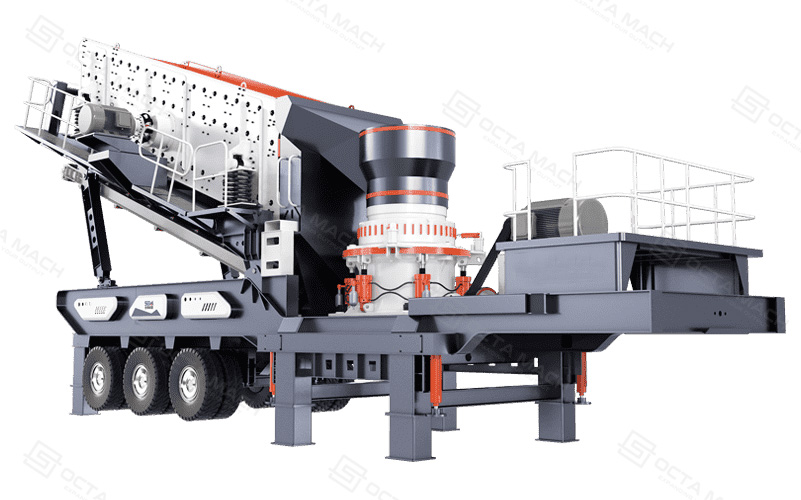
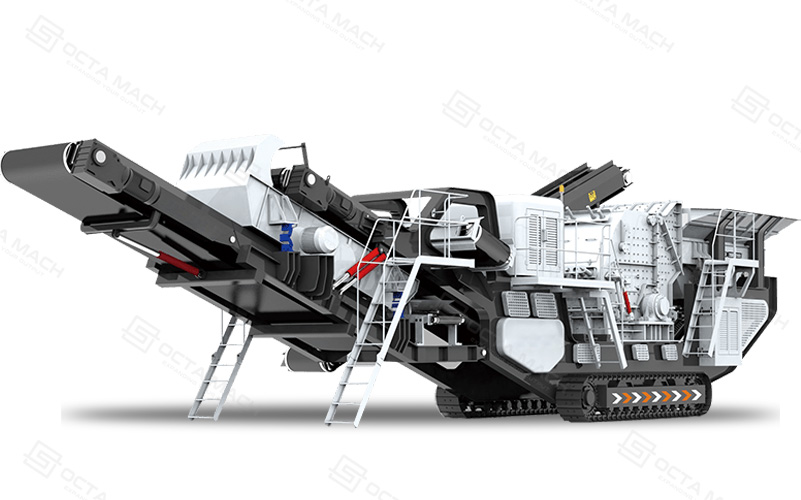
Future Trends in Mobile Crushing Equipment Development
The future development of mobile crushing equipment will focus not only on improving mobility, but also on enhancing crushing performance, energy efficiency, and equipment management. As quarry and mining operations become more technically demanding, manufacturers are exploring new approaches to improve machine reliability and operational control.
More Advanced Crushing Technology Integration
Future mobile crushing systems are expected to incorporate more advanced technologies within the crushing process itself. Improvements in crusher design, adjustment systems, and monitoring functions will help operators maintain more stable production under changing material conditions.
| Technology Development | Potential Impact on Operations |
|---|---|
| Advanced crushing chamber design | Improves material reduction efficiency and product consistency |
| Hydraulic adjustment systems | Allows faster setting adjustment according to production requirements |
| Wear monitoring technology | Helps track component condition and optimize replacement planning |
| Automated process control | Supports more stable operation with less manual adjustment |
These developments will allow mobile crushing plants to achieve more consistent performance while handling different rock types and operating conditions.
Development Toward Electrification and Hybrid Power Systems
Energy consumption is becoming an important consideration in equipment development. Mobile crushing manufacturers are increasingly exploring alternative power solutions to reduce fuel usage and improve operating efficiency.
| Power Development | Operational Benefit |
|---|---|
| Electric drive systems | Reduces dependence on diesel power where suitable power infrastructure is available |
| Hybrid power solutions | Combines mobility requirements with improved fuel efficiency |
| Optimized power management | Helps match energy consumption with actual production demand |
For quarry and mining projects, these technologies provide new possibilities for reducing operating costs while meeting increasingly strict environmental requirements.
Smarter Maintenance and Equipment Management
As mobile crushing equipment becomes more widely used across different project environments, maintenance management is also becoming more data-driven. Future systems will place greater emphasis on monitoring equipment condition and supporting maintenance decisions.
| Maintenance Development | Practical Application |
|---|---|
| Remote equipment diagnostics | Helps identify potential issues without immediate site visits |
| Operating condition analysis | Supports preventive maintenance planning |
| Digital service records | Improves maintenance history tracking and spare parts management |
With these improvements, mobile crushing equipment will continue to evolve from individual processing machines into more intelligent production assets that support long-term quarry and mining operations.